
Many foreign buyers dream of a peaceful base in Spain rather than a flat above a busy beach bar. The best places to buy a second home in Spain away from tourists mix calm streets with enough services, healthcare and transport. With careful planning and legal checks, a quiet town or small city can become a genuine retreat, not an isolated risk.
Why Choose a Second Home Away from Spain’s Tourist Hotspots?
Not everyone wants a second home in a packed resort. Many buyers prefer quiet towns in Spain to buy a second home where daily life feels local, not seasonal. Outside the classic hotspots, you often find more space, friendlier prices and a stronger sense of neighbourhood.
Hidden gems Spain second residence locations also tend to avoid the intense summer traffic and noise that some coastal strips now suffer. In less crowded places, it is easier to park, book a table and build relationships with local shops and cafés. Property markets can feel steadier too, with fewer sharp peaks and troughs driven by tour operators.
There is also a regulatory angle. Some high-pressure coastal municipalities have strict rules for holiday rentals and new developments. Quieter areas sometimes offer more flexible planning or less political pressure around tourism, although this varies by region. A calm area is not only about silence; it is about a lifestyle and a legal environment that match your expectations.
Key Criteria for a Quiet but Practical Second-Home Location
Peace is important, but practicality should come first. A good second-home location offers reasonable access from an airport or high-speed train. You may visit off-season, arrive late at night or travel with grandchildren. Long drives on small roads after a flight quickly lose their charm.
Healthcare access is another non-negotiable. Check distance to the nearest hospital and whether there is a 24-hour emergency facility. For buyers over 55, this often matters more than the exact distance to the beach. Smaller cities in Spain for second homes can give an ideal balance here.
Look at everyday services. Is there a supermarket open all year? Do buses run outside the summer season? Is the town lively in winter or almost empty? A quiet place is pleasant; a closed place can feel lonely.
From a legal point of view, confirm whether properties are on urban or rural land, how strict planning rules are, and whether there are flooding or coastal protection issues. These details affect renovations, insurance and resale.
Lawyer’s Tip:
Before falling in love with one house, create a checklist with five essentials: healthcare, transport, year-round shops, internet quality and local rules on building and rentals. Test each area against that list before you start negotiations.
Five Lesser-Known Areas to Buy a Second Home in Spain
Green Northern Coast: Asturias and Cantabria
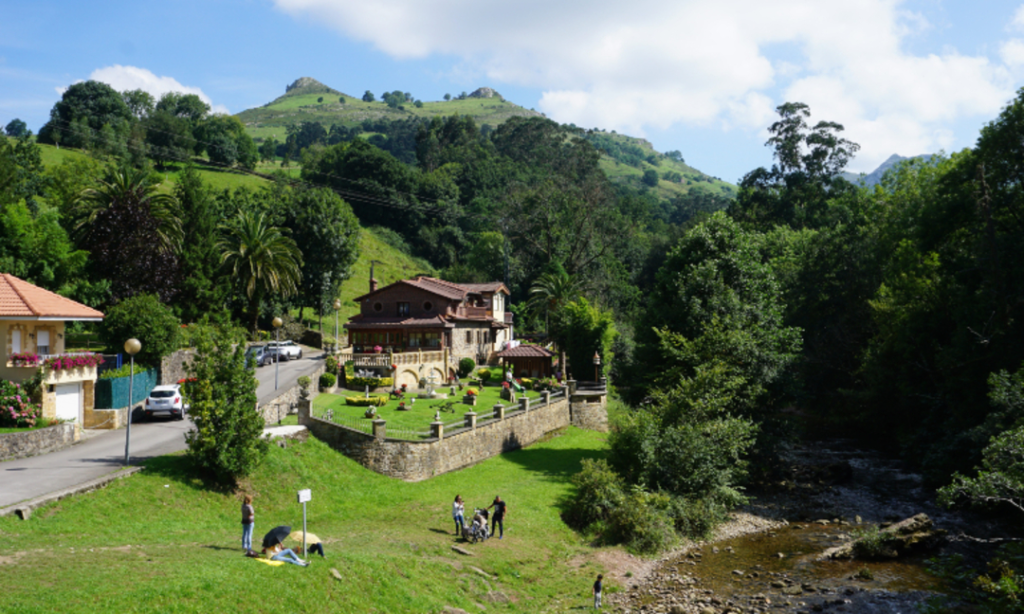
The northern coast offers a very different Spain. Think green hills, fishing ports and cooler summers. Smaller towns along the Asturian and Cantabrian coast often feel authentic and less international than big Mediterranean resorts.
You find sandy beaches, dramatic cliffs and historic centres that stay active all year. Prices can be more affordable than famous southern coasts, especially a few streets back from the sea. The climate is wetter, so gardens stay green, but you must accept some rain.
These areas suit buyers who want to walk, eat well and enjoy local culture rather than chase permanent sunshine. Flights and trains have improved in recent years, which makes regular visits easier.
Atlantic South: Costa de la Luz in Cádiz and Huelva
On the Atlantic side, long beaches and low-rise towns give a calmer feel than some Mediterranean strips. Villages and small resorts along the Costa de la Luz still attract mainly Spanish families, surfers and nature lovers.
Here you find big skies, wide dunes and sunsets over the ocean. Many areas have strict height limits and protected zones, so the coast feels more open. Services are good in provincial capitals and larger towns, while villages keep a slower rhythm.
This region fits buyers who like light, wind and space. The sea can be cooler and rougher, so it is ideal for walking and water sports, less for winter swimming. Access from airports is reasonable but usually requires a car.
Inland Andalusian Towns and White Villages
If you are happy to drive to the beach, inland Andalusia offers quiet hill towns with strong identity. White villages around Ronda, Antequera or the Axarquía region combine views, history and a lower level of international tourism than the coast.
You gain cooler nights, less humidity and a sense of living in “real Spain”. Local markets, weekly fiestas and small bars shape daily life. Houses may have more space, courtyards and traditional features, although renovations can be more complex.
This option works well if you visit often and enjoy driving. It is less suitable if you want to walk to the sea every day. Check road quality, winter fog and access to hospitals before choosing a hillside dream.
Smaller Mediterranean Cities: Castellón, Tarragona, Cartagena and Similar
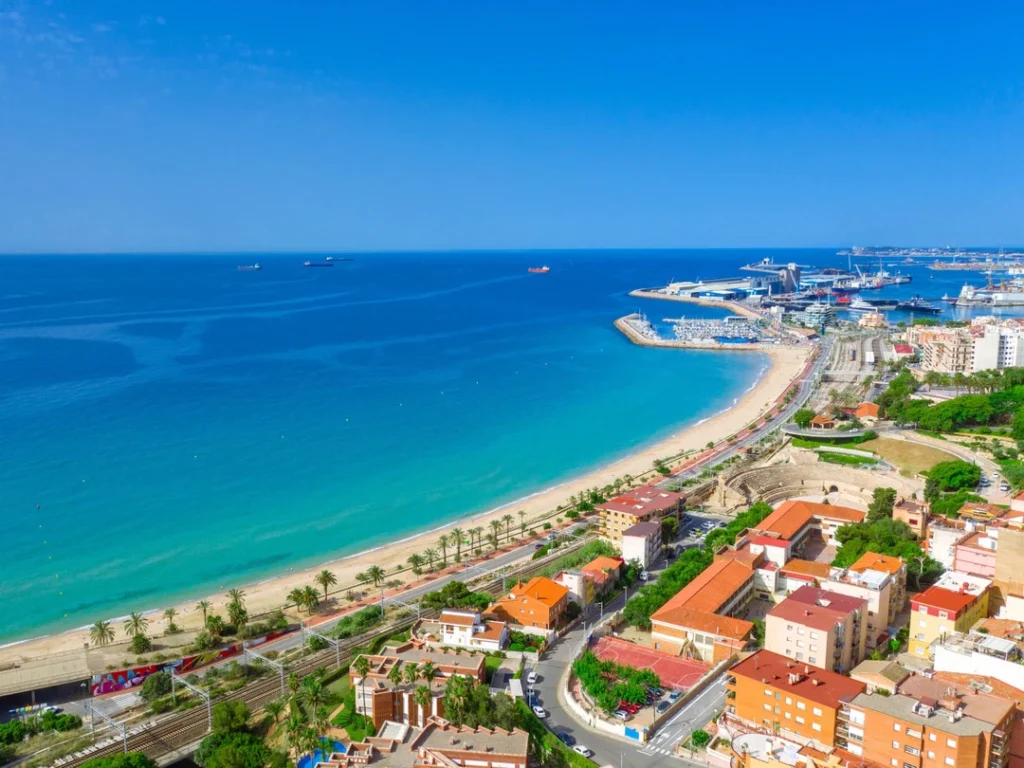
If has many mid-sized coastal cities with ports, hospitals and universities but fewer tourists than major resorts. Examples include provincial capitals and historic ports that sit between big hubs.
These cities usually offer strong public healthcare, year-round culture and efficient transport. Neighbourhoods a little away from the centre can feel like small towns with local markets and parks. You still have theatres, sports clubs and long promenades within a short bus ride.
They suit buyers who want services and urban comfort while avoiding the intensity of famous holiday strips. Prices can be attractive in residential districts, with good potential for long-term value.
Countryside and Wine Regions: La Rioja, Inland Valencia and Others
For some buyers, the ideal second home is not near any beach at all. Wine regions and historic inland cities offer big skies, open roads and strong food traditions. La Rioja, parts of Castilla y León and inland Valencia include small cities and villages with charm and lower housing costs.
You trade sea views for vineyards and mountains. Life follows the rhythm of seasons, not tourist waves. These affordable places to buy a holiday home in Spain can be very attractive if you love walking, cycling and gastronomy.
However, you must accept hotter summers or colder winters, depending on altitude. Public transport may be limited, so owning a car becomes essential. Visit in both January and August before deciding.
Buying vs. Renting in Smaller and Less Touristic Markets
In quiet areas, buying and renting behave differently than in big resorts. Long-term rentals may be cheaper, but they can also be harder to find, especially furnished properties. Local owners sometimes prefer seasonal or student lets.
Buying gives you control over your home and allows personal renovations. Yet resale may take longer if the market is small. If you plan to sell within a few years, a very niche town can be risky.
A common strategy is to rent first for at least one extended stay. This lets you test winter life, check noise levels and see whether the town really fits your habits. After that, you can decide whether to buy in the same place or look at another quiet region.
If you plan to rent out your home when absent, research local holiday-rental rules. Some areas require licences and limit short-term stays. Others remain flexible but may tighten rules in future. Always check the municipal and regional framework before counting on rental income.
Healthcare, Transport and Services When You Don’t Live There Full-Time
When you own a second home, you may be away for months. That makes local support and infrastructure vital. Check whether the town has taxis, reliable plumbers and electricians, and at least one pharmacy open all year.
Healthcare deserves special attention. Even if you mainly use services in your home country, you may need urgent care while in Spain. Confirm ambulance response times, nearest hospital and availability of English-speaking staff if you are not confident in Spanish.
Transport links affect both your visits and the home’s future value. A quiet town near a regional airport or train station is usually easier to manage than a perfect village three hours from anywhere. Think about how travel will feel at 70, not only at 55.
Property management can be more challenging outside tourist areas. You may not find large agencies, but a local caretaker or neighbour can often help. Still, set clear expectations on checks, post collection and dealing with leaks or storms.
Legal and Tax Essentials Before Investing in a “Hidden Gem”
A quiet location does not mean simple paperwork. In less-known areas, thorough due diligence matters even more. Legal checks before buying a second home in less-known areas of Spain should cover ownership, planning, existing works and any disputes.
Rural or village houses may have old extensions, pools or outbuildings without full licences. Regularising them later can be costly or impossible. Check also for protected land, future road projects or flood zones. Community rules in small buildings can be strict about noise, rentals or pets.
From a tax perspective, you will normally pay non-resident income tax on second homes, even if you do not rent them. You may also owe local property taxes, rubbish charges and, in some regions, wealth tax. A lawyer can explain non-resident and local taxes on Spanish second homes before you buy.
If you plan to spend long periods in Spain, consider aligning your residence status with owning a second home in Spain. Staying too many days without proper residence can create immigration or tax issues. A “hidden gem” is only a good investment if the legal and tax structure supports it.
How Mecan Legal Helps You Choose and Secure the Right Location
• Clear mapping of your priorities and budget to suggest the types of regions that fit your lifestyle.
• Integrated advice on visas, residence and tax so your second home does not quietly turn you into an unplanned tax resident.
• Detailed property due diligence in quieter markets, including planning checks, licences and community rules.
• Coordination with local notaries, surveyors and banks to make remote purchases safer and more transparent.
• Long-term support on rentals, inheritance planning and possible later conversion of your second home into a main residence.
At Mecan Legal, we know that many clients want calm, not complications. We combine real estate, tax and immigration experience so you can compare options with full information. Our goal is not to sell you one town, but to help you avoid unsuitable places and weak contracts.
With a structured plan, you can explore quiet Spanish regions confidently. You choose the view and the lifestyle; we take care of the legal and tax backbone that makes your second home a real refuge, not a future problem.
Frequently Asked Questions
Are smaller Spanish towns safe and practical for a second home?
Many smaller towns are very safe and practical, especially if they have a hospital, supermarkets and year-round residents. The key is to check healthcare access, winter services and transport links. Visiting outside the summer season and speaking to locals gives a realistic picture. A legal review ensures the specific property is as solid as the town feels.
Is it harder to find reliable property managers outside the main tourist areas?
It can be, because there are fewer professional agencies focused on second homes. Often, solutions involve local caretakers, small businesses or neighbours. This can work well if expectations are clear and written down. A lawyer can help you formalise arrangements, define responsibilities and avoid misunderstandings about keys, emergency repairs and access.
Can I rent out my second home legally when I am not in Spain?
That depends on regional and municipal rules. Some areas require holiday-rental licences, limit the number of lets or restrict short stays in certain buildings. Others are still flexible but may tighten rules later. Before investing based on rental income, you should check the current framework and any proposed changes with a local legal and tax adviser.
Should I spend a few months in an area before buying a second home there?
Yes, it is usually very wise. A long stay lets you experience winter weather, local rhythms and practical issues such as noise, parking and access to services. You can test whether the town still feels right after the “holiday effect” fades. This small delay often prevents expensive mistakes and leads to a better, more confident purchase.